

Energía
Los sistemas energéticos dependen del tiempo, el agua y el clima: lluvia, viento, insolación y temperatura afectan a la generación, el transporte y el uso de la energía. Ante el creciente impacto de los eventos meteorológicos extremos, la OMM ayuda a los Miembros y al sector de la energía a utilizar la información meteorológica, hidrológica y climática para operar y planificar de forma resiliente.
Vista general
Por definición, los sistemas energéticos y su funcionamiento son vulnerables al tiempo, al agua y al clima. La energía hidroeléctrica, la mayor fuente de electricidad renovable del mundo, depende de las precipitaciones, el manto de nieve y el deshielo de los glaciares. Las centrales térmicas requieren grandes volúmenes de agua para fines de refrigeración y pierden eficiencia o deben reducir la producción cuando el caudal de ríos y lagos baja o sus aguas se calientan. La generación de energía eólica y solar aumenta y disminuye en función de las condiciones atmosféricas. Las redes de transmisión y distribución están expuestas a olas de calor, incendios forestales, tormentas, engelamiento e inundaciones. La propia demanda está condicionada por las condiciones meteorológicas, y las necesidades de refrigeración y calefacción son cada vez más volátiles.
El clima cambiante y la alteración de las pautas meteorológicas agravan todos estos factores. Los veranos más calurosos y secos ponen en jaque los embalses destinados a la generación de energía hidroeléctrica y dificultan el enfriamiento de las centrales térmicas justo cuando la demanda de refrigeración alcanza su punto álgido. Las tormentas más intensas, las crecidas y los incendios forestales dañan los activos diseñados para funcionar en un clima más estable. Los eventos combinados y en cadena, como una ola de calor combinada con una baja producción de energía eólica y una reducida generación de energía hidroeléctrica, pueden tensionar de forma simultánea sistemas enteros. Los supuestos históricos de diseño basados en la idea de que las condiciones climáticas del pasado constituyen una orientación fiable para el futuro han dejado de ser válidos.
En el sector de la energía, el tiempo, el agua y el clima se han convertido en variables operativas que deben gestionarse en todas las escalas temporales, desde el equilibrio de la red en tiempo real hasta la planificación de inversiones a varios decenios vista.
Impacto
El sector energético efectúa cerca del 10 % de las extracciones mundiales de agua dulce, principalmente para la refrigeración de centrales térmicas y el funcionamiento de instalaciones hidroeléctricas. La energía hidroeléctrica sigue siendo la mayor fuente de electricidad renovable del mundo, mientras que una proporción mucho mayor de los sistemas mundiales de generación de energía dependen indirectamente del agua como mecanismo de refrigeración. Según el Grupo Intergubernamental de Expertos sobre el Cambio Climático (IPCC), tanto las fuentes de energía termoeléctrica como las hidroeléctricas son vulnerables al estrés hídrico de maneras que pueden afectar a la seguridad de la red y reducir la asequibilidad de la energía.
En los últimos años, pertinaces episodios de sequía han reducido la producción de energía hidroeléctrica en el sur de África, América Latina, Europa y partes de Asia. El evento de El Niño de 2015/2016 es un claro ejemplo: las precipitaciones en Colombia disminuyeron alrededor de un 40 %, los niveles de los embalses destinados a la generación de energía hidroeléctrica cayeron entre un 60 % y un 70 %, y un sistema que entonces obtenía cerca de tres cuartas partes de su electricidad de la energía hidroeléctrica tuvo que recurrir a la generación térmica para garantizar el suministro de electricidad.
El calentamiento de los ríos ha obligado a reducir la generación de energía nuclear y térmica en varios países europeos y en los Estados Unidos, mientras que la disminución de los caudales ha limitado el transporte de combustible y equipos por las principales rutas de navegación y vías navegables interiores. El retroceso de los glaciares también está alterando la disponibilidad estacional de agua para la generación de energía hidroeléctrica en los Andes, el Himalaya, los Alpes y otras cuencas montañosas. Tras esas perturbaciones episódicas emerge una tendencia a más largo plazo: el almacenamiento total de agua dulce continental, que incluye la humedad del suelo, la nieve y el hielo, ha disminuido a escala mundial a un ritmo de alrededor de un centímetro por año durante los dos últimos decenios.
Las olas de calor aumentan la demanda de electricidad para fines de refrigeración y, al mismo tiempo, reducen la eficiencia de las centrales térmicas y la capacidad de transporte de las líneas de transmisión. Los ciclones tropicales, las tormentas extratropicales y las crecidas pueden dañar subestaciones, corredores de transmisión, refinerías y oleoductos. Los incendios forestales, que cada vez son más frecuentes e intensos en muchas regiones propensas a estos eventos, pueden cortar líneas de transmisión, forzar cortes preventivos y reducir la generación de energía solar a causa del humo y las cenizas. Los episodios de frío extremo han provocado importantes interrupciones cuando las infraestructuras de gas, carbón e incluso nucleares no estaban preparadas para soportar bajas temperaturas sostenidas, lo que ha entrañado efectos en cadena en los sistemas de electricidad y calefacción.
Para una parte sustancial de la infraestructura energética mundial situada en el litoral, el aumento del nivel del mar agrava estos riesgos. Las centrales térmicas y nucleares, las refinerías, las terminales de gas natural licuado, las plataformas marinas, los puertos y las subestaciones costeras se enfrentan a un riesgo cada vez mayor debido al aumento del nivel medio del mar, la mayor frecuencia de las inundaciones costeras y la intensificación de las mareas de tempestad. Para las infraestructuras con una prolongada vida útil que se diseñan y financian hoy en día debe tenerse en cuenta que el nivel del mar y los riesgos relacionados con las mareas de tempestad seguirán cambiando a lo largo de su vida operativa.
Respuesta de la OMM
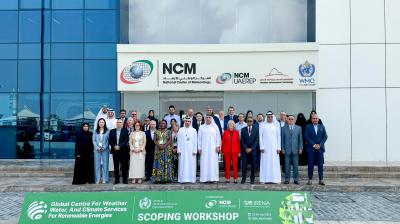
La OMM colabora con los Servicios Meteorológicos e Hidrológicos Nacionales (SMHN) y una amplia red de asociados, entre los que se incluyen la Agencia Internacional de Energías Renovables (IRENA), la Agencia Internacional de la Energía (AIE), el Organismo Internacional de Energía Atómica (OIEA) y la comunidad energética en general, para ayudar al sector a gestionar los riesgos meteorológicos, hidrológicos y climáticos en diferentes escalas temporales. Los servicios adaptados abarcan la predicción inmediata, la predicción subestacional a estacional, la predicción anual a decenal y las proyecciones climáticas a largo plazo, y respaldan la planificación de recursos, las operaciones y el mantenimiento, la gestión de riesgos y las decisiones de inversión en energías renovables, generación térmica, energía nuclear, redes y almacenamiento.
La OMM apoya las actividades de planificación y explotación de la energía hidroeléctrica, la gestión del agua para fines de refrigeración y las alertas tempranas de sequías y crecidas a nivel de cuenca, sirviéndose para ello de la infraestructura mundial de observación y predicción hidrológicas que coordina.
Los sistemas de alerta temprana para el sector energético, acordes con la iniciativa mundial Alertas Tempranas para Todos, ayudan a anticipar perturbaciones provocadas por fenómenos meteorológicos extremos, sequías y eventos combinados.
La OMM, junto con la Comisión Económica para Europa (CEPE) y la Organización de las Naciones Unidas para la Educación, la Ciencia y la Cultura (UNESCO), coordina el Grupo de Expertos de ONU-Agua sobre el Agua y el Cambio Climático, con lo que contribuye a las iniciativas del sistema de las Naciones Unidas para armonizar la adopción de decisiones sobre el agua y la energía en el contexto climático. La labor analítica realizada conjuntamente con la IRENA ayuda a traducir la climatología en información práctica para planificadores, operadores, reguladores e inversores en el ámbito de la energía.
A través de actividades de formación, proyectos regionales y servicios de demostración, la OMM también apoya el desarrollo de capacidad de los SMHN a fin de facilitar al sector energético información que permita adoptar decisiones. Asimismo, la Organización coordina el intercambio internacional de datos y las correspondientes normas, aspectos esenciales para los operadores energéticos de todo el mundo.
Al combinar conocimientos especializados de los ámbitos atmosférico, hidrológico y climático, la OMM aporta una contribución singular al debate mundial sobre la energía, que cada vez es más necesaria para el sector a medida que la variabilidad meteorológica y climática remodela las condiciones en las que operan los sistemas energéticos.
Actividades relacionadas

Publicaciones relacionadas