The Ocean Under Pressure
- Author(s):
- Prof. Celeste Saulo, WMO Secretary-General
In 2025, ocean heat content reached a record high for the ninth consecutive year. This accumulated heat can strengthen tropical storms and influence weather and rainfall patterns far beyond coastal regions. As the ocean warms, marine heatwaves are becoming more frequent and intense, devastating marine life and the livelihoods that depend on it. Together with rising sea levels, these changes threaten food security, infrastructure and fisheries in many coastal communities.
The advance warning of the 2026 El Niño shows the value of sustained ocean observations. As the event strengthens, seasonal forecasts are helping countries anticipate risks of drought, flooding and extreme heat in different regions. Together with national forecasts and early warning services, these outlooks can guide timely action to protect lives and livelihoods, particularly in vulnerable communities.
This issue of the WMO Bulletin is dedicated to the warming ocean. It explores the science behind these changes, how observations are collected and how they help communities respond. It highlights the work of WMO, its Members and partners across the world to strengthen our understanding of the ocean. It also shows how ocean observations feed into forecasting systems and reach national services, where they can be turned into useful information.
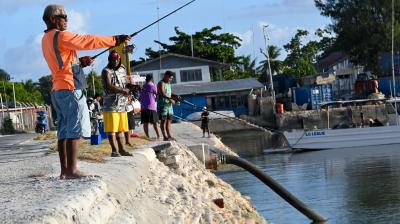
Authors in this edition explore a range of topics, including ocean warming and carbon uptake, the impacts of marine heatwaves, the role of ocean observations in improving hurricane forecasts in the Caribbean, and how Pacific communities are responding to rising sea levels. They also examine advances in climate prediction and the development of marine services that meet the needs of coastal communities and maritime industries.
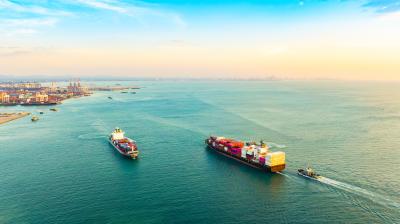
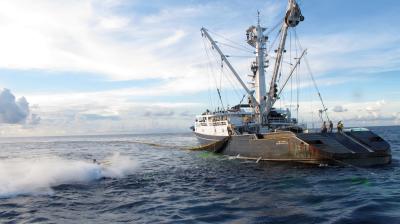
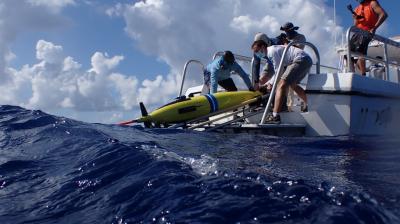
A clear message emerges throughout the issue: we need to strengthen and expand global ocean observations, particularly in the deep ocean, coastal waters and poorly monitored regions such as the Southern Ocean. Partnerships with fishing vessels and commercial shipping offer practical ways to extend coverage, alongside the continued development of autonomous observing technologies.
Above all, the contributions underscore the need for sustained investment in observing infrastructure, national expertise and international cooperation. Equally important is ensuring that observations reach forecasting centres promptly and are used effectively in early warning services, giving communities more time to prepare and act.
The ocean will continue to change. How well countries anticipate those changes depends on decisions made now: which networks we sustain, where we extend observations and whether the resulting information reaches those who need it.