
How Malawi turns early warnings into action
Turning forecasts into action takes coordination. In Malawi, early warnings move through a system linking meteorological monitoring, national alerts and community networks to help people respond before dangerous weather conditions develop.
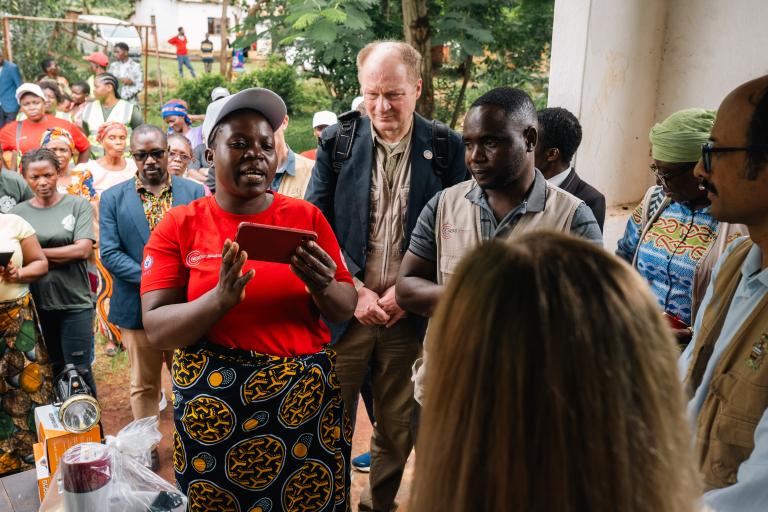
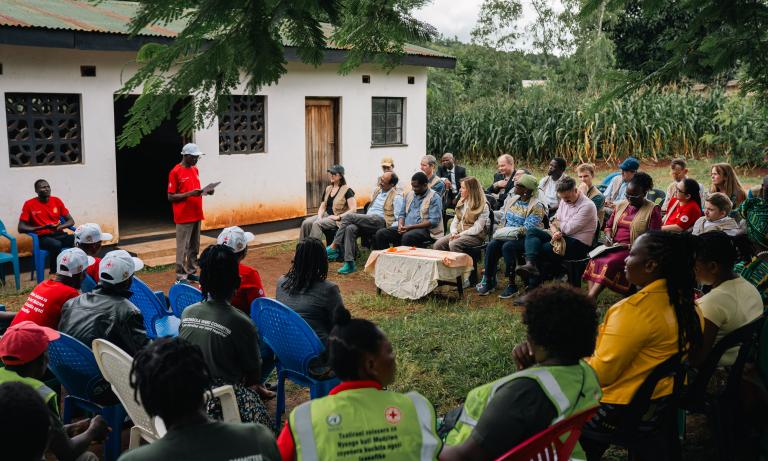
In a flood-prone district of southern Malawi, a farmer receives a text message through a local WhatsApp group warning of heavy rainfall expected within the next 24 hours. He helps spread the message through word of mouth to other villagers without phone. They then gather at the village assembly point to hear a briefing and discuss precautionary measures such as avoiding low-lying zones and not crossing flooded or fast-flowing waters. Some families move livestock to higher ground and secure tools and seed stores. What begins as a national warning quickly becomes practical guidance for communities in vulnerable areas.
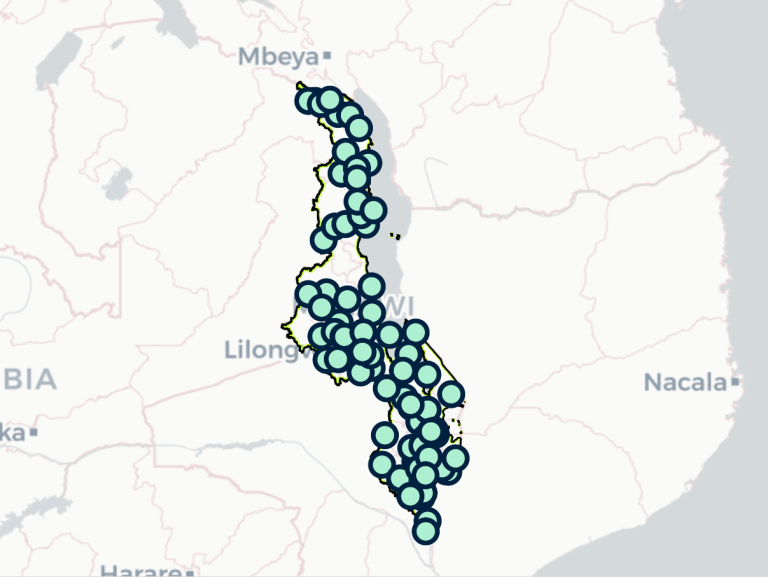
At the centre of this system is Malawi’s Department of Climate Change and Meteorological Services (DCCMS), which provides the country’s official weather forecasts and climate information. The service collects real-time data through more than 100 automatic weather stations and 21 conventional synoptic stations across the country. This data is the technical backbone of the early warning system, as preparedness and response depend on timely and reliable information.
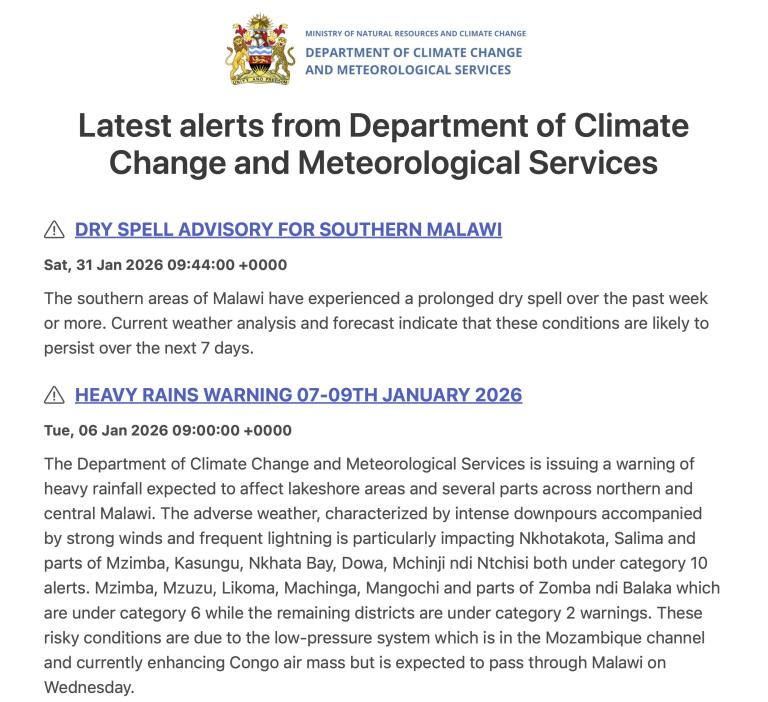
After generating a forecast, DCCMS assesses whether the expected conditions could lead to hazardous situations such as heavy rains or dry spells. When the risk is significant, the department issues an official warning through its website, where active and past alerts are available, with information on the hazard type, time of issue and level of severity.
DCCMS then disseminates the warnings through radio and TV stations, which broadcast them nationwide. To ensure timely updates, the department has developed the “Zanyengo” weather app, which provides real-time information. Alerts are also shared through mobile channels such as the “Weather Chasers Malawi” WhatsApp group which allow users to receive warnings faster.
A warning alone does not save lives. It must be translated into coordinated preparedness and response decisions. This is where Malawi’s disaster risk management system becomes essential. The Department of Disaster Management Affairs (DoDMA) plays a central coordinating role in ensuring that early warning information reaches communities and leads to action.
Through DoDMA’s coordination, Civil Protection Committees (CPCs), Disaster Risk Management Committees (DRMCs), and city councils work together to re-share and amplify alerts from DCCMS through word of mouth and WhatsApp groups. They also rely on standard operating procedures and contingency plans to guide preparedness efforts and, when needed, organize search and rescue operations during extreme weather events.
DoDMA also works closely with humanitarian partners, including the Malawi Red Cross Society, to facilitate two-way communication between national institutions and communities. This helps ensure that feedback from the ground informs the early warning system.
In Mzuzu’s Chibavi Ward, Prince Ngulebe, a Disaster Risk Management Committee member, describes how the system works in practice:
“When the city council sends warnings, we receive them on WhatsApp and spread them to every household. Everyone knows who to call and where to go”.
An early warning system works well only when communities know what to do before the hazard arrives. In Malawi, close coordination between forecasting, disaster management and local partners helps communities act on warnings in time.
For more information, see CREWS Malawi Project and Impact Story.
- WMO Member:
- Malawi
- Region:
- Region I: Africa